Education for Life

A nature-based Montessori school nestled in the Texas Hill Country

for children ages 3 – 12.

Schedule a Tour

Our Mission

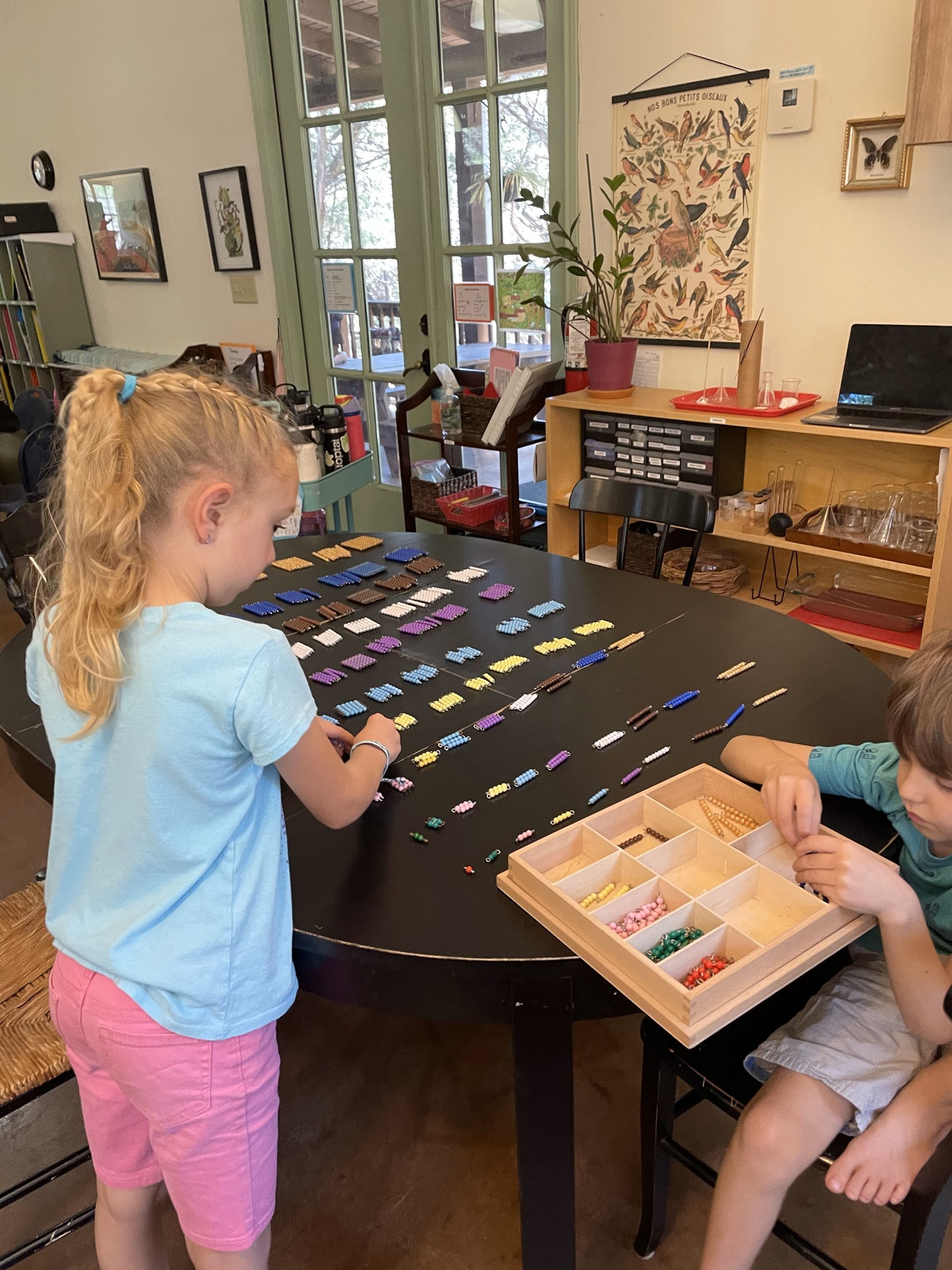
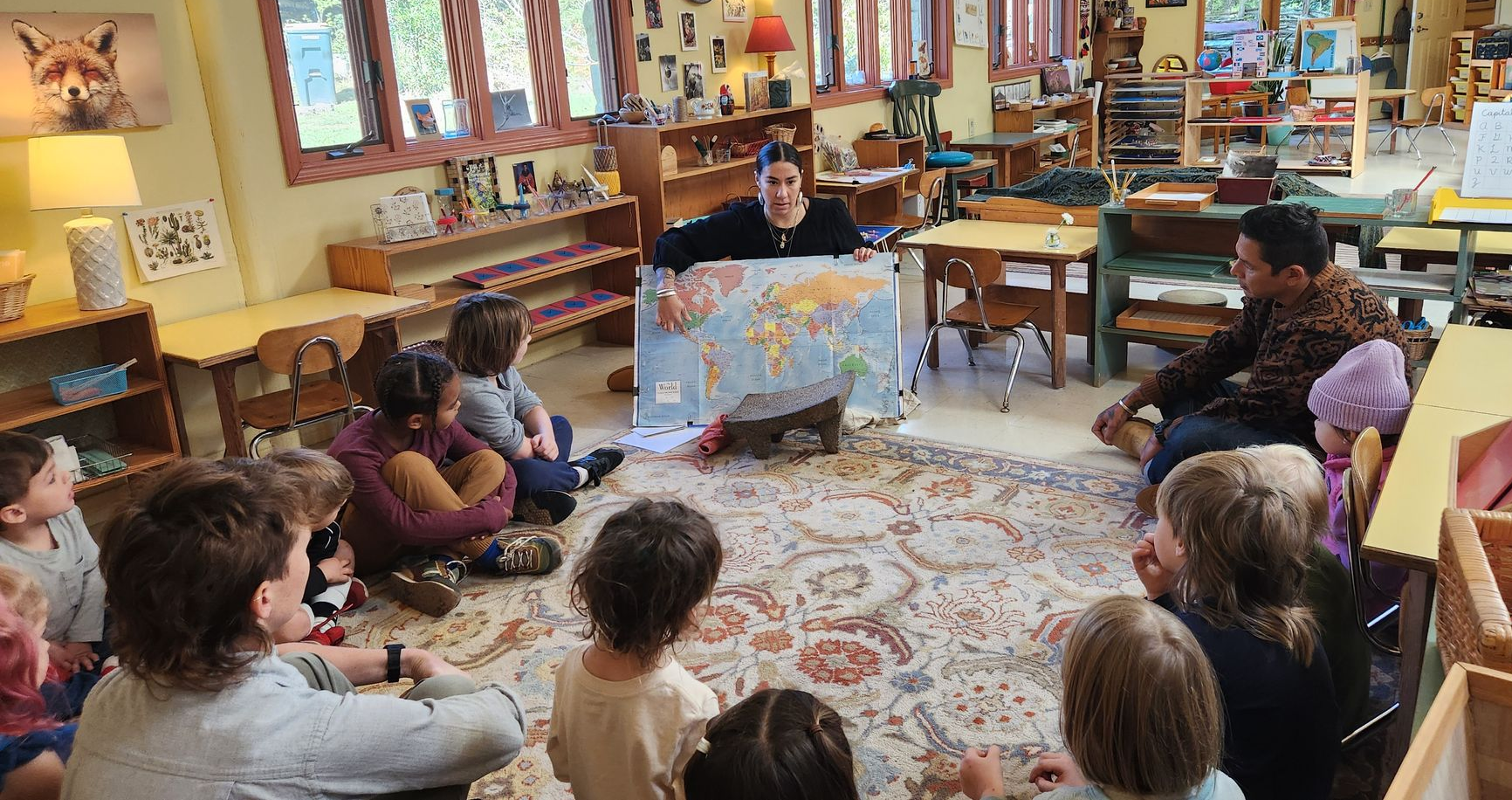
Established in 1974, Cedars Montessori School is committed to the education of the whole child, academically, socially, emotionally and physically. Nestled into 16-acres of the Texas Hill Country, we believe that children are a part of nature and through our curriculum they build an appreciation for the wonder of the world and their place in it. We respect the child’s inherent optimism, love of peace, and need for community. Our individualized method of teaching is based on the idea that each child is unique, with unique interests, rates of growth and development. Cedars Montessori cultivates independent, responsible and compassionate learners who are ready and able to make positive contributions to society and the world.

Why do so many families choose Cedars Montessori School?

Individualized Learning


Lessons are designed and offered to each child when they are most ready to learn.

Nature-Based

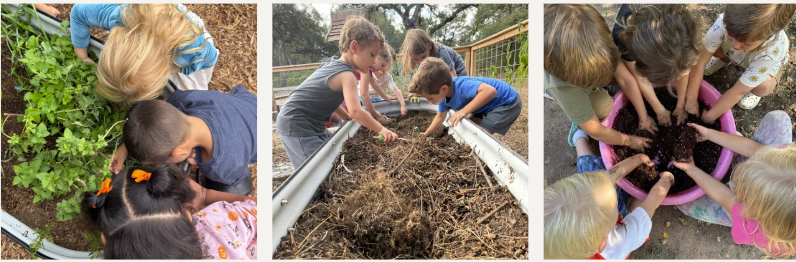
Nestled into 16-acres of the Texas Hill Country, we cultivate vibrant connections to the natural world.

Whole Child Education


Social, emotional, and physical development is emphasized along with academic skills.

Nurturing Community


Our close-knit community fosters enduring relationships among teachers, children and families.

Our Programs
Parent Reviews

five stars review

One of the greatest gifts we've given our children is their time learning and growing at Cedars Montessori!


— Jessica W.


Cedars has truly fostered and solidified our children's love of learning! The quality of their work, and the depth of their knowledge about the world and about themselves, that's been the real gift of authentic Montessori education!


— Jon C.


We love the expansive Cedars campus that provides endless opportunities for gardening and wilderness education, connecting with nature, exploration, and most importantly space to play!


- Ashley C.

Our Blog
Back to school checklist banner
By Elizabeth Anguamea August 6, 2026
As we head back to school, many children experience nerves around the unknown, whether it is new teachers, classrooms, academics, or friends. Often, the anticipation is the hardest part, and the best solution is to encourage communication, be present and simply listen. Refocusing on daily healthy habits will ensure the brain and body are getting the nutrients, sleep and activity they need. Returning to routines helps smooth this transition while cultivating organization, executive functioning, independence and self-care skills. Some children are more focused on friendships than academics, and there are many ways to support these social-emotional skills at home. Whether your child is 3 and going to school for the first time, or 12 and going into their full-cycle year in Upper Elementary, here are some ways to ease the transition from summer back to school! Return to Routine Prioritize sleep and reset bedtime. Eat nutritious, regular meals. Limit screen time before sleep. Schedule in daily physical activity and play to regulate the body and the mind. Take time to do a trial run before the first day. Build Independence Practice preparing lunch and opening/closing containers. Create a visual schedule or checklist for morning routines or daily tasks. Contribute to family life by participating in household chores. Prepare school supplies and ready backpack. Encourage kids to choose their own clothes and practice dressing themselves. Grow Social Confidence Schedule low-pressure playdates with friends. Practice how to introduce yourself to a new friend or ask to join a game. Model respectful problem solving and peaceful conflict resolution. Play games where kids can learn to lose and practice handling disappointment. Encourage self-advocacy and making their voice heard. Foster Emotional Readiness Name feelings openly, without trying to fix them or make it “better.” Let them know nerves about new teachers, classrooms and classmates are normal. Moderate anticipation by talking through what to expect. Remind them that they can always trust and confide in their teacher. Be present, create opportunities for them to open up, and simply listen. Cultivate rituals that work for your family Eat breakfast or dinner together as a family. Start a Friday family movie night. Create a special bedtime routine. Hold weekly family meetings. Schedule a weekly board game night.
By Elizabeth Anguamea March 30, 2026
A Post-Covid Reflection
By Elizabeth Anguamea September 29, 2025
Foundations of the Primary Classroom