The Work of the Child
Elizabeth Anguamea • September 25, 2026

Tending the Garden of Early Childhood

“It is a recognized fact that this is an age of maximum effort...”


Maria Montessori, Education for a New World


As adults, we often feel like there is not enough time. We are striving to squeeze all our tasks into the day. We must be efficient and quick as we pick up children from school, cook dinner, prepare lunchboxes, give baths, do laundry, not to mention meet the demands of our career. Our work has external goals and visible results, whether within the home, within the workplace, or within society. Our adult lives run smoothly when we decrease effort and increase productivity. The adult abides by the Law of Maximum Efficiency.


…but the child? The child’s work is internal, often invisible. The child’s work is the construction of a whole human being! Their work is not about productivity; the product of their work is their own little self. It does not follow the norms and needs of society, it follows the laws of child development, and the purpose of the work is the working itself. The child abides by the Law of Maximum Effort.
It is messy, inefficient and slow, and we must protect it at all costs. 


“The child… uses an immense amount of energy over an unsubstantial end, and he spends, not only driving energy, but intensive energy in the exact execution of every detail.”  -Maria Montessori, The Secret of Childhood


Before we address this apparent contradiction, let us revise our understanding of the term
work. Montessori draws her definition of work from the global human tendency to seek meaningful, purposeful activity. For the adult, the products of this work span infrastructure, technology, policy, art, theory, literature. Whether it is our career, housework, hobby, or side-hustle, the characteristics of adult work remain. 


So why does Montessori call the child’s activity
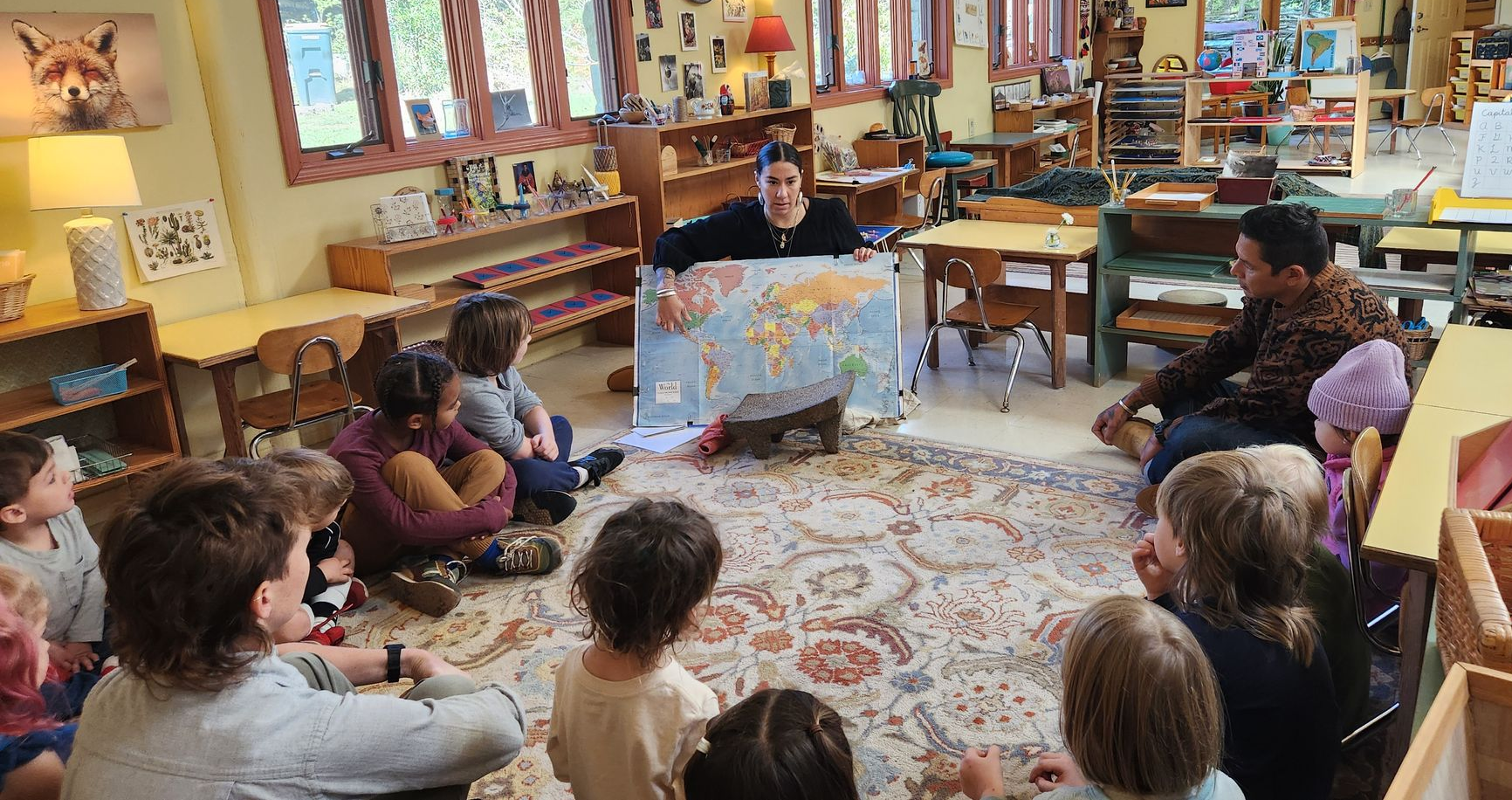
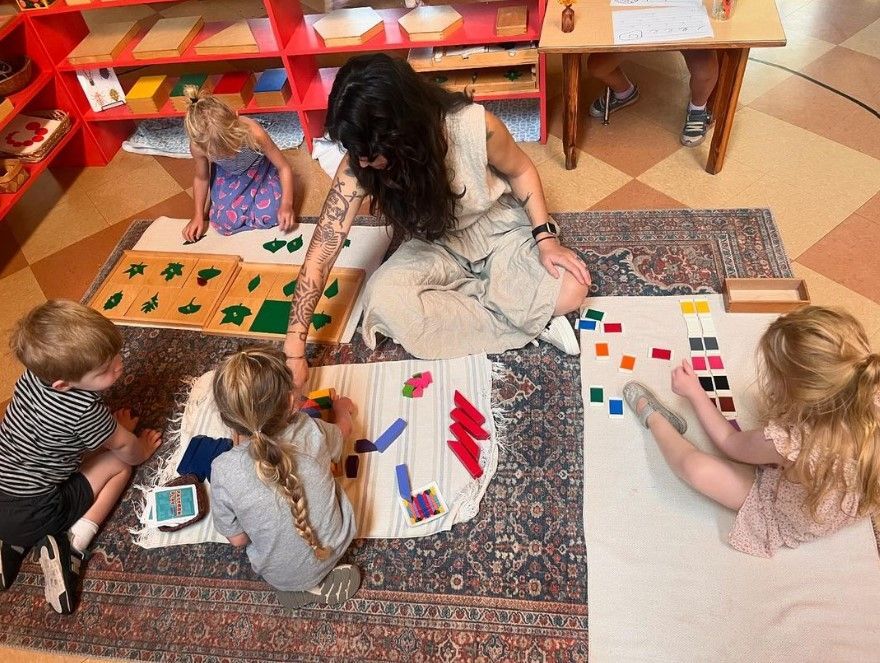
work and not play. She uses the term work out of honor and respect. What looks to adults to be play is the child constructing their personality, developing language, organizing information, understanding themselves as part of a community, integrating their sensory experiences, building physical strength, equilibrium and coordination.


“Grown-ups think of play as a purposeless occupation that keeps children happy and out of mischief, but actually when children are left to play by themselves very little of their activity is purposeless.” 
- Maria Montessori, Maria Montessori Speaks to Parents


Their work does not care about timelines or schedules, products or outcomes. They pause to observe the caterpillar on the vine when it is already “time to go,” they glide back-and-forth across the monkeybars when they “should be in the car,” they scrub dishes that are not dirty when you “need to start the dishwasher,” they tie and untie and tie their shoes again when “we should start the hike,” they practice equilibrium on the curb when you “need to get the groceries to the car.” They are not being difficult or obstinate or troublesome. They are following their calling, the calling of the human species: self-construction and adaptation to the world. Only through experiences can this creation unfold. “The child is the builder of man… these characteristics are not inborn, they must be acquired by the child through contact with the environment, through repeated experiences and through activity.” - Maria Montessori, The 1946 London Lecture


Montessori honors the importance of
play by using the term work. It is in these opposing laws, that of maximum efficiency and that of maximum effort, that the adult and the child come into conflict. So how do we resolve this conflict and preserve the sanctity of the child’s work while also meeting logistical day-to-day needs? There are three ways: we prepare the environment, we prepare the adult, and we stop applying the standards of adult work to the child’s work. 


To prepare the environment, we first create space for the child, that “forgotten citizen,” who is asked to exist in a world built for adults. We offer child-sized furniture, we give them access to what they need (water, food, cleaning tools, toys), and materials that suit those needs. We create an emotionally and psychologically safe environment where we model the expectation, we are friendly with error, we take care of what we use, we make sure every living thing is safe. We offer freedom within limits, and we do not offer more freedom than a child is ready for.


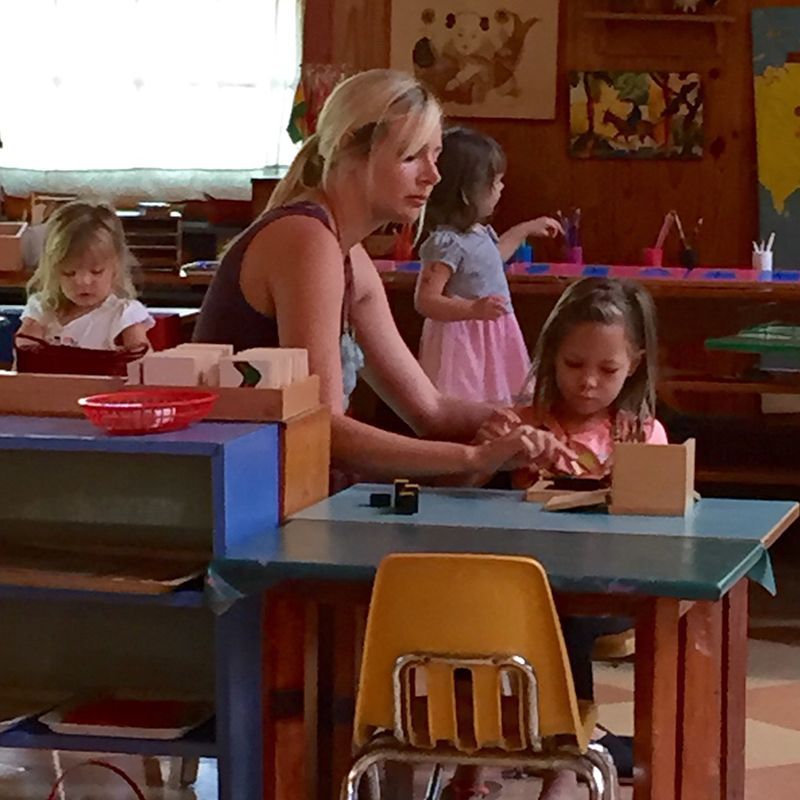
The preparation of the adult requires us to speak slowly, move carefully, offer time whenever possible. Montessori says we must rid ourselves of insecurities, hidden agendas and examine our biases. We must practice self-awareness, introspection and reflection. Before we act, we must be prepared to quietly observe. The characteristics of the prepared adult are patience, humility, reliability, sense of humor, respectful, and trustworthy. 


Lastly, we must shift our expectations and standards. Adults often see children as an extension of themselves rather than as their own person. When we work to create a mold in our image, we are working as a “Carpenter Parent,” in the words of Alison Gopnik, a developmental psychologist at UC Berkley. Carpenters work with a goal in mind: they are building a chair. 


“In the parenting model, being a parent is like being a carpenter. You should pay some attention to the kind of material you are working with, and it may have some influence on what you try to do. But essentially your job is to shape that material into a final product that will fit the scheme you had in mind to begin with…precision and control are her allies.”  - Alison Gopnik, The Gardener and The Carpenter


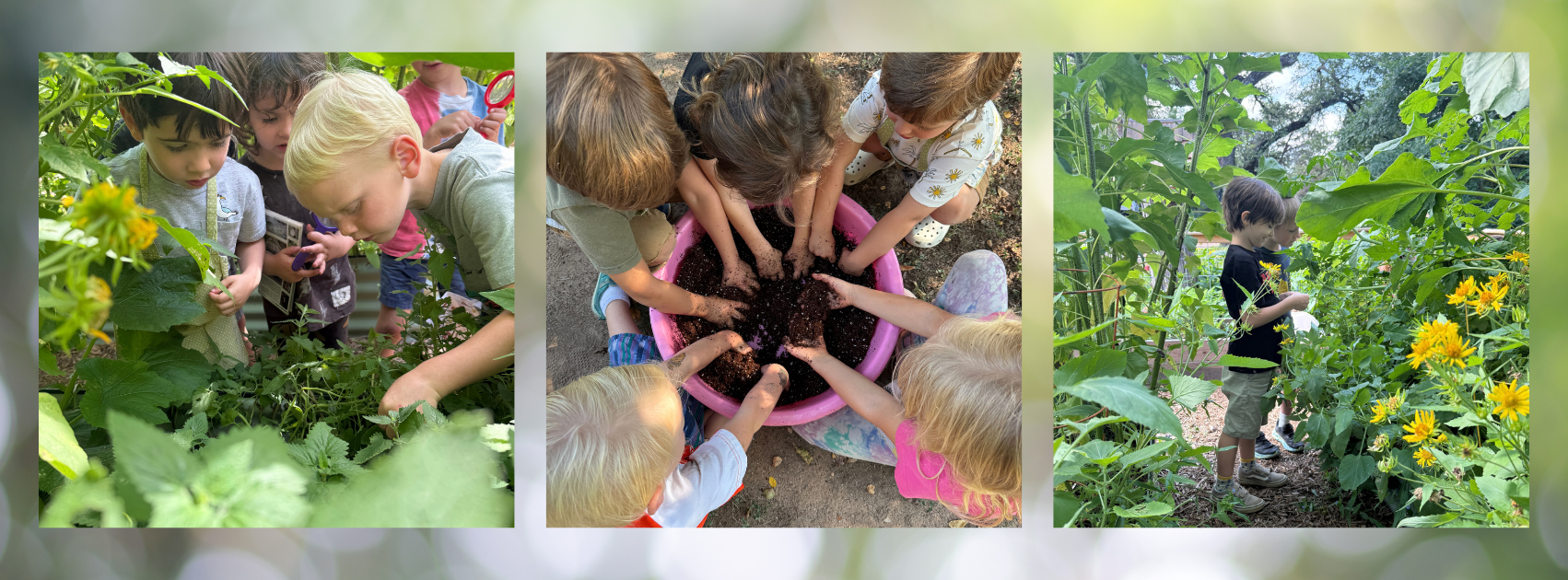
The “Gardener Parent,” on the other hand, rids themselves of expectations and creates a space where the child can develop freely. The gardener brings in the best soil, they water when it is hot, they cover the bed when it is cold, they plant the seeds they love, they observe the volunteers that pop up. Gardeners have a plan, they take great care, but rarely do things unfold as expected. 


“The poppy comes up neon orange instead of pale pink, the rose that was supposed to climb the fence stubbornly remains a foot from the ground, black spot and rust and aphids can never be defeated. 


And yet the compensation is that our greatest horticultural triumphs and joys also come when the garden escapes our control, when the weedy Queen Anne’s lace unexpectedly shows up in just the right place in front of the dark yew tree, when the forgotten daffodil travels to the other side of the garden and bursts out among the blue forget-me-nots, when the grapevine that was supposed to stay demurely hitched to the arbor runs scarlet riot through the trees.”  - Alison Gopnik, The Gardener and The Carpenter


The child is a whole garden. Full of surprise, and mess and repetition and mistakes and effort and independence. When we prepare to work in the child’s garden, we, too, get dirty and messy and wet and muddled. And we, too, discover the beauty of surprise, the richness of the unexpected, the blooms we never imagined. We become witness to all the life that springs up, spontaneous and stunning and free. 

Back to school checklist banner
By Elizabeth Anguamea • August 6, 2026
As we head back to school, many children experience nerves around the unknown, whether it is new teachers, classrooms, academics, or friends. Often, the anticipation is the hardest part, and the best solution is to encourage communication, be present and simply listen. Refocusing on daily healthy habits will ensure the brain and body are getting the nutrients, sleep and activity they need. Returning to routines helps smooth this transition while cultivating organization, executive functioning, independence and self-care skills. Some children are more focused on friendships than academics, and there are many ways to support these social-emotional skills at home. Whether your child is 3 and going to school for the first time, or 12 and going into their full-cycle year in Upper Elementary, here are some ways to ease the transition from summer back to school! Return to Routine Prioritize sleep and reset bedtime. Eat nutritious, regular meals. Limit screen time before sleep. Schedule in daily physical activity and play to regulate the body and the mind. Take time to do a trial run before the first day. Build Independence Practice preparing lunch and opening/closing containers. Create a visual schedule or checklist for morning routines or daily tasks. Contribute to family life by participating in household chores. Prepare school supplies and ready backpack. Encourage kids to choose their own clothes and practice dressing themselves. Grow Social Confidence Schedule low-pressure playdates with friends. Practice how to introduce yourself to a new friend or ask to join a game. Model respectful problem solving and peaceful conflict resolution. Play games where kids can learn to lose and practice handling disappointment. Encourage self-advocacy and making their voice heard. Foster Emotional Readiness Name feelings openly, without trying to fix them or make it “better.” Let them know nerves about new teachers, classrooms and classmates are normal. Moderate anticipation by talking through what to expect. Remind them that they can always trust and confide in their teacher. Be present, create opportunities for them to open up, and simply listen. Cultivate rituals that work for your family Eat breakfast or dinner together as a family. Start a Friday family movie night. Create a special bedtime routine. Hold weekly family meetings. Schedule a weekly board game night.
By Elizabeth Anguamea • March 30, 2026
A Post-Covid Reflection
By Elizabeth Anguamea • September 29, 2025
Foundations of the Primary Classroom
By Elizabeth Anguamea • August 12, 2025
Elementary Edition
By Elizabeth Anguamea • August 7, 2025
Primary Edition
By Elizabeth Anguamea • July 1, 2025
13 (Mostly Free) Things to Do Around Austin
By Elizabeth Anguamea • June 16, 2025
Summer vacation is finally here! For many kids, the anticipation of a break from school has been building up for some time, but now that the end-of-school parties, graduations, and celebrations are over, that freedom can feel overwhelming. Kids of all ages benefit from structure, and when the school-day flow goes out the window, so does their sense of security. This might look like increasing power-struggles, heightened emotions, a harder time self-regulating, or rising conflict around screentime, mealtimes or bedtime. If things are starting to bubble up, fear not! The first step in creating a summer rhythm that works for your family means looking at each family members individual capacity and need. Consider things like work schedules, summer camps, energy levels, sleep needs, weather (I know I don’t have to tell you about Texas summers!), family chores, social battery, and neurodivergence (kids with exceptionalities like ADHD, anxiety or Autism have a higher need for structure and predictability). Here are a few simple ways to construct a summer routine that works for your family. 1. Maintain consistency Build the core of your schedule around consistent routines such as wake-up time, mealtimes, nap/quiet time, household chores, screentime and bedtime. Think of these as the non-negotiables of your day, because if they start to go you can expect an uptick in boundary pushing and challenging behaviors. Creating a predictable framework is crucial- it is the foundation that allows for variety, flexibility and exploration without dysregulation. 2. Create visual schedules Offer predictability by showing kids what to expect through a visual schedule. If you have young children, create a simple daily flow with drawings of each activity. For older kids, you can use words and/or images, and expand to a weekly flow. Make a way for them to check off each activity. Keep a separate monthly calendar with a way to mark off each day. This calendar will help kids navigate the break as a whole: showing trips, summer camps, family visits etc. Planning in advance allows you to go over the schedule as often as needed to solidify the routine and set the expectation. 3. Be strategic As you create your daily rhythm, think about planning non-preferred activities before preferred activities. This will increase motivation to get the “boring” things done. Perhaps morning chores must happen before the walk to the park, or the trip to the grocery store must happen before you head to the neighborhood pool. Perhaps summer learning must be complete before daily screen-time is available. Every family and child’s needs are different, so think about what works for you and plan strategically to minimize parent-child conflict. 4. Spend time outdoors Time outside is all-around regulating! It doesn’t matter if it is a walk around the neighborhood, sprinkler-time in the backyard, swimming at the pool, or play at the park- being outside gives kids the chance for movement, sensory input, and child-led exploration. Spending time outdoors reduces stress and anxiety, increases executive functioning, encourages independence and supports good sleep habits. In Texas, the summer heat can be draining, but carving out time to be outdoors when it’s not too hot will make a big difference in your day. 5. Leave time for boredom In a time where screens are always an armlength away, the creativity, imagination and intellectual growth that boredom urges are at risk of extinction. Some people might push back against the idea of scheduled screentime, but if you have healthy, consistent and predictable limits around screens, you can protect the good, old-fashioned boredom that leads to some of life’s greatest joys and discoveries! Safeguarding time for boredom will support kids’ inherent curiosity, exploration and innovation and lead to independent, creative thinkers and makers. Creating structure doesn’t mean scheduling every hour of every day, but rather building a routine that offers consistency, predictability and follow-through. Dr. Maria Montessori said, “External order creates internal order, and this is a significant foundation to the intellect.” In constructing a framework for your summer routine, you are providing the external order that allows for the development of independence, creativity, internal order, and of course, the spontaneity that summer brings!
By Elizabeth Anguamea • December 4, 2024
We must help the child to act for herself, will for herself, think for herself; this is the art of those who aspire to serve the spirit. - Dr. Maria Montessori
By Elizabeth Anguamea • September 27, 2024
Many times, we think of redirection as equivalent to distraction, but it is much more than that. It offers options, choice and reflection.
Students and guide in a Montessori classroom
March 9, 2024
What, exactly, is the role of the Montessori teacher? How is it so different from that of any other teacher? Sometimes it’s easiest to begin by explaining what a Montessori teacher isn’t. A Montessori teacher is less like the traditional idea of an instructor, and more like a gentle guide. They don’t consider it their job to give a child information. They rather lead children in the general direction and give them the tools they need to find the information themselves. Maria Montessori once said, “The greatest sign of success for a teacher...is to be able to say, ‘The children are now working as if I did not exist.’” Montessori Teachers Cultivate Independence In a Montessori classroom, rather than seeing a teacher at the front of the classroom giving the same lesson to every child, the teacher will be working quietly with individual children or small groups. While that is happening the rest of the children are free to spend their time doing the work that calls to them. A Montessori teacher works hard to create structures that allow children to be independent and to trust themselves as learners. One large part of what a Montessori teacher does is to intentionally prepare a classroom environment that is developmentally appropriate, is inviting to children, and supports them on their journey to work independently. This environment is constantly changing in tiny ways as the teacher notices new and evolving needs of the students. Montessori Teachers are Trained to Think Like Scientists Parents should know that Montessori teachers are highly trained. Most have recognized Montessori credentials in addition to their college degrees. Montessori certification programs are intensive and demanding; one might compare them as being the equivalent of another college degree. These training programs don’t just teach Montessori educators how to use the specialized materials; there is extensive coursework about Montessori philosophy, child development, and integrating the arts. When it comes to assessments, Montessori teachers don’t rely on standardized tests; they rely on the power of observation. They have notebooks brimming with evidence of what their students have mastered, need more support with, and are curious about. They are constantly recording what they notice children working on, how that work is being executed, and ideas they might have in anticipation of a child’s next steps. Montessori teachers literally sit beside a child and determine exactly what they know about a wide range of content areas. Montessori Teachers Think Long-Term Because of Montessori’s three-year cycles, teachers have the unique ability to consider their big picture when working with students. There is a natural tendency to allow the children to genuinely learn at their own pace. Getting to know a child and their family well over the course of a few years really supports this approach. Montessori Teachers are Often Called ‘Guides’ ...and for good reason. While children in Montessori classrooms have an abundance of choice in their educational pursuits, Montessori is based on the idea of ‘freedom within limits’. It’s the Montessori teacher’s job to carefully craft those limits. Children rely on having a certain amount of structure in place. This gives them comfort and a safe place in which they can take risks and try new things. Montessori teachers set some boundaries and then carefully help students navigate within them. What if your second grader loves to read but tends to avoid math? Their Montessori teacher will find ways to ensure the math still gets done. Sometimes this involves a gentle discussion with a child about time management skills, priorities, or setting goals. Sometimes the teacher will find a way to integrate the child’s interests into the less desirable work. Sometimes all it takes is a minor change in the environment. Montessori teachers gives children freedom, but they assist children in finding their way to success in this environment. Montessori teachers value independence, self-reliance, and intrinsic motivation. They also value cooperation, kindness, and strength in community. Still curious? Call us to set up an appointment today to observe in a classroom. See what Montessori is really all about.
Back to school checklist banner
By Elizabeth Anguamea • August 6, 2026
As we head back to school, many children experience nerves around the unknown, whether it is new teachers, classrooms, academics, or friends. Often, the anticipation is the hardest part, and the best solution is to encourage communication, be present and simply listen. Refocusing on daily healthy habits will ensure the brain and body are getting the nutrients, sleep and activity they need. Returning to routines helps smooth this transition while cultivating organization, executive functioning, independence and self-care skills. Some children are more focused on friendships than academics, and there are many ways to support these social-emotional skills at home. Whether your child is 3 and going to school for the first time, or 12 and going into their full-cycle year in Upper Elementary, here are some ways to ease the transition from summer back to school! Return to Routine Prioritize sleep and reset bedtime. Eat nutritious, regular meals. Limit screen time before sleep. Schedule in daily physical activity and play to regulate the body and the mind. Take time to do a trial run before the first day. Build Independence Practice preparing lunch and opening/closing containers. Create a visual schedule or checklist for morning routines or daily tasks. Contribute to family life by participating in household chores. Prepare school supplies and ready backpack. Encourage kids to choose their own clothes and practice dressing themselves. Grow Social Confidence Schedule low-pressure playdates with friends. Practice how to introduce yourself to a new friend or ask to join a game. Model respectful problem solving and peaceful conflict resolution. Play games where kids can learn to lose and practice handling disappointment. Encourage self-advocacy and making their voice heard. Foster Emotional Readiness Name feelings openly, without trying to fix them or make it “better.” Let them know nerves about new teachers, classrooms and classmates are normal. Moderate anticipation by talking through what to expect. Remind them that they can always trust and confide in their teacher. Be present, create opportunities for them to open up, and simply listen. Cultivate rituals that work for your family Eat breakfast or dinner together as a family. Start a Friday family movie night. Create a special bedtime routine. Hold weekly family meetings. Schedule a weekly board game night.
By Elizabeth Anguamea • March 30, 2026
A Post-Covid Reflection